An exciting partnership between educators and Whoa! Studios has resulted in rolling out of our Kea for Kids! education roadshow for South Island schools. The “Kea for Kids” Kea Conservation Trust roadshow was launched in 2022 with funds from Whoa! Studios and as of 2024 is been sponsored by NZSki as part of their "Bring back the Birds" programme. This hands on, interactive class aims to reach children throughout Te Wai Pounamu to build better understanding and enthusiasm for kea, in a fun environment. As of the end of 2024, 35 schools, 111 classes and 2323 students had been visited from Golden Bay to Te Anau.
A further 713 students from 12 schools were visited in 2025 bringing the roadshow totals at the end of 2025 to 3,036 students from 47 schools taking part in the Kea for Kids programme! Thank you for all your enthusiasm!
If your school would like us to visit in 2026, please contact us.
For annual outcomes, please scroll below 🙂


The Programme
This free NZ curriculum-based project is aimed at students aged between 5 - 10 years old.
If your school would like to take advantage of this unique kea roadshow, please get in contact with us!
The programme consists of:
- An initial visit from our qualified teacher, who will deliver a fun interactive 40-45 minute lesson to your students. The program is flexible and can be delivered as a presentation or set up as interactive workstations depending on standalone resources and number of students and teachers.
- The aim is to tell the story of Kea, convey key messages and engage the next generation.
- Your class will be left with fun and informative resources which can be delivered throughout the rest of the term/year.
A few examples of what's in the programme
- Kea puzzles - find out how kea intelligence is measured using real life kea puzzles from Auckland Zoo and Willowbank.
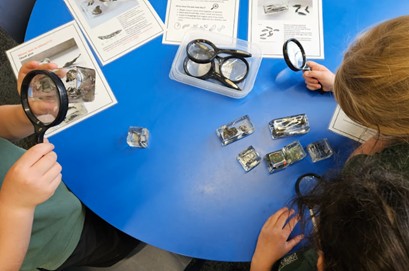
- Who's poo is whose? With samples encased in resin and a magnifying glass, learn to identify what poo belongs to what predator and what they have been eating.
- Threats to kea - Lead poisoning - where is lead found, what does it look like and why is it dangerous to kea (and to us)? Safely sealed examples enable children to get up close and personal in a safe environment. Predators - learn to identify which predator is which using footprints from tracking tunnels and playing the "whose that on my back' game.
- Kea sightings - learn how to identify kea and send in your sightings! Learn how researchers find kea in the wild using transmitters and telemetry equipment.
Programme Developer and Educator
Helen Hamblin - NZCS, Diploma of Teaching (secondary)
Helen is a passionate teacher with a background in science and education both inside and outside the classroom. Previously engaging with the community as an outreach educator then interpretive guide, she now enjoys linking her lifetime experiences of outdoor pursuits and remote travel to predator control and protection of our taonga.
Helen created and delivered the ‘Kea for Kids’ Road show to primary schools around the South Island between 2022-2025, engaging the next generation with Kea and their plight.
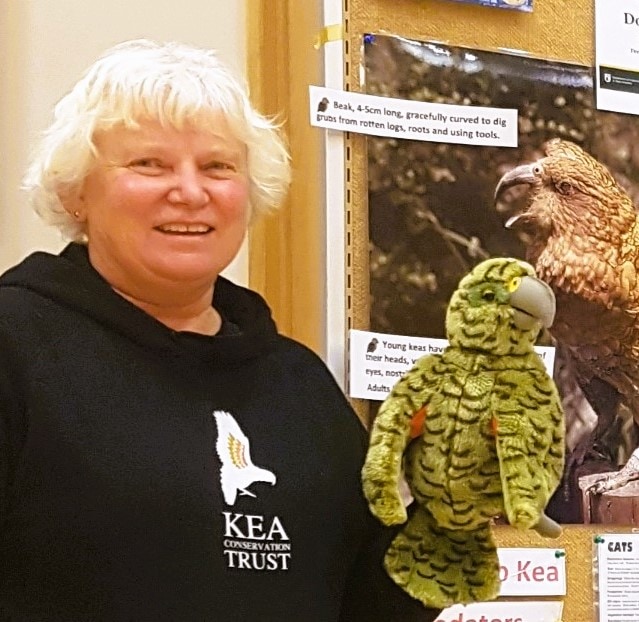
Programme Educator 2025 onwards
Rachel Taylor - Post-Graduate Certificate in Education, Secondary Teaching (UK)
Rachel has a background in education and community engagement, working with schools both in the classroom and in the field. She moved to the West Coast a few years ago to pursue work in environmental education after teaching in a secondary school in Auckland for several years.
She is passionate about education and nature and feels strongly about providing young people with opportunities to learn more about Aotearoa New Zealand's precious taonga, it's unique environment, and how we can protect it.
Rachel fell in love with kea whilst working in Franz Josef and is keen to continue to engage our young people so they may fledge as our future kaitiaki.
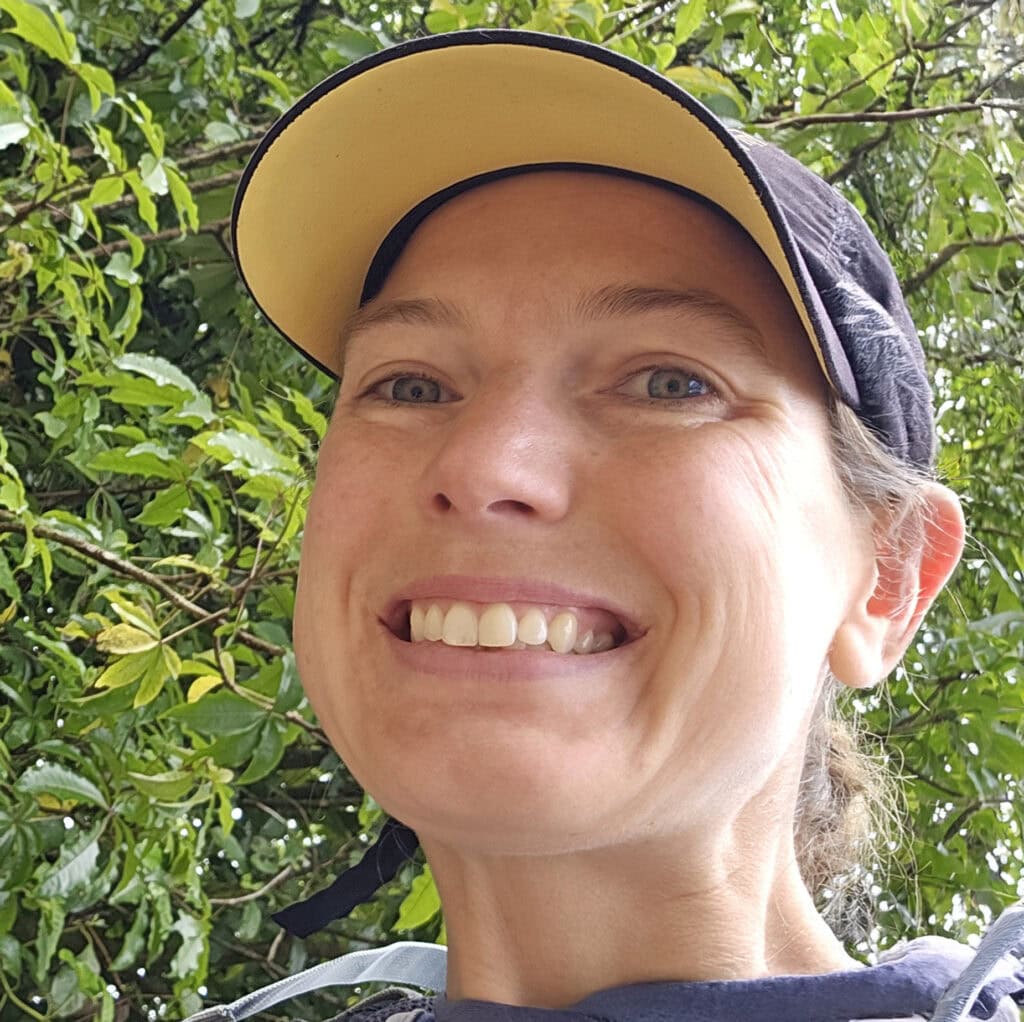
2026 Roadshow Outcomes
Schools are already taking the opportunity to have Rachel come and visit with Terms 1-3 filling up fast! Please get in touch if you would like to be added to the list – its free!
Also some big news - Rachel is in the process of developing a secondary school programme with a tentative launch in Term 3 – watch this space!
Term 1:
The first part of the year focused on reconnecting with schools and updating education resources.
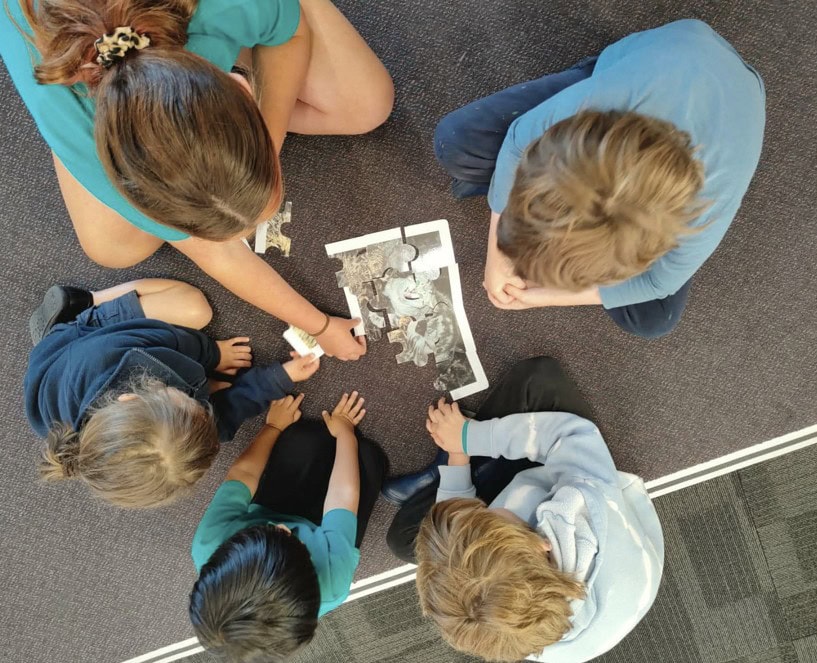
March: The first two school visits took place on 2 March at Rūnanga School and Karoro School reaching 42 students.
Rūnanga School showed fantastic enthusiasm, engagement, and participation during a double two‑hour session. This extended time allowed us to explore kea in real depth, covering their behaviour, habitat, threats, and the actions we can take to help protect them. It was great feedback from the staff who were surprised at how engaged they were for this long and congratulated me on this. The school made a lovely post sharing their learning on their school Facebook page, which is always excellent to see and know that they are showing great kaitiakitanga in their community.
Karoro School is launching an art project, and our visit supported their learning for this unit. Students had created kea masks for the occasion and will soon be heading to Arthur’s Pass as part of their study. Their class recently voted to name their classroom “Kea,” which has driven much of this work. It was great collaborating with their teacher to explore kea facts, habitat, life cycle, and threats. I was particularly impressed by the students’ thoughtful questions, such as asking how many buildings in Arthur’s Pass still contain lead, out of concern for kea health.
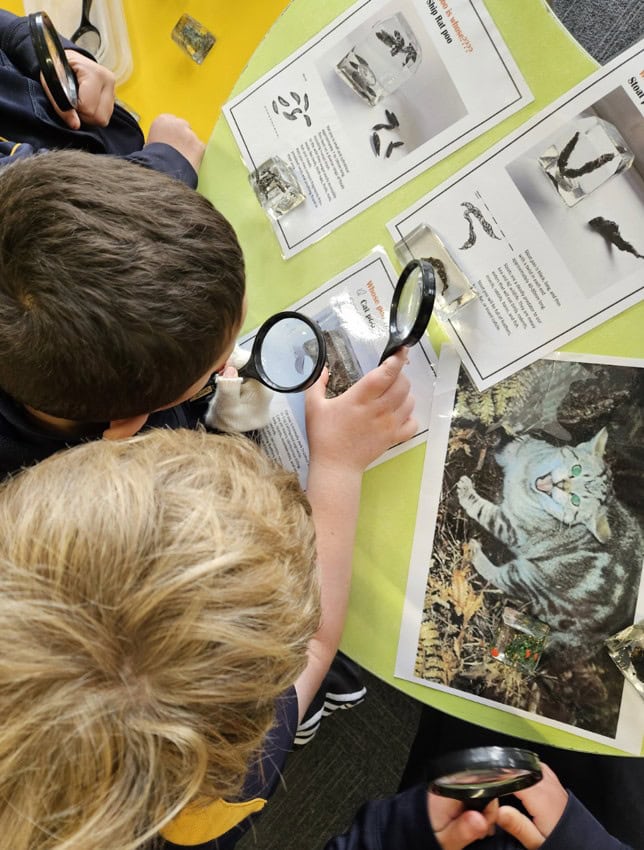
April: April was largely taken up with the school holidays, which meant fewer school visits. However, this provided valuable time to continue planning, particularly for the secondary programme. An extra hands on station, "Living with Kea" was added into the programme as well as an extended version for schools wanting a longer session.
One school (Ross School) with just nine students, was visited during April for an impromptu session following increased kea activity and conflict in the area. This school was last visited in 2023, so this was a timely opportunity for a follow‑up. We had some great discussions and identified practical actions they could take to help kea, add to database sightings, and kea‑proof their properties. The visit was valuable not only for the students but also for the two adults who have recently had kea visiting their homes.
Still within the education and engagement space, but outside the Kea for Kids Roadshow, I delivered two community talks to tramping groups as part of Conservation Week. These focused on “Enjoying the Backcountry in the Company of Kea.” One session was for the West Coast Alpine Club and Hokitika Tramping Club, with additional emphasis on Kea Survey Tools and the Kea Database. The other was for a youth group, THAT Outdoors Group, supported by West Coast Youth Services.
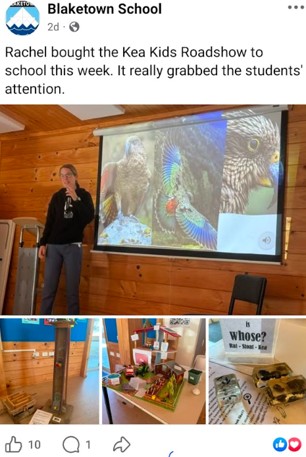
May: May was a busy month, with five school visits in the first few weeks across Christchurch and the West Coast reaching 273 students. Rachel trialled the new ‘Living with kea’ station, which was a real hit with students (although it also took a hit from some of the smaller, more enthusiastic hands!) The messages about keeping homes and gardens safe from kea, and keeping kea safe around homes and gardens, were all well received. Several West Coast students had previously had kea on their properties, and one student asked thoughtful questions about how to help protect her grandad’s caravan.
The Kea Database was another popular part of these visits. Students were eager to log sightings, read band combinations, and look up individual birds in the system. And of course, ‘Flap’ (the puppet) was a favourite with all ages.
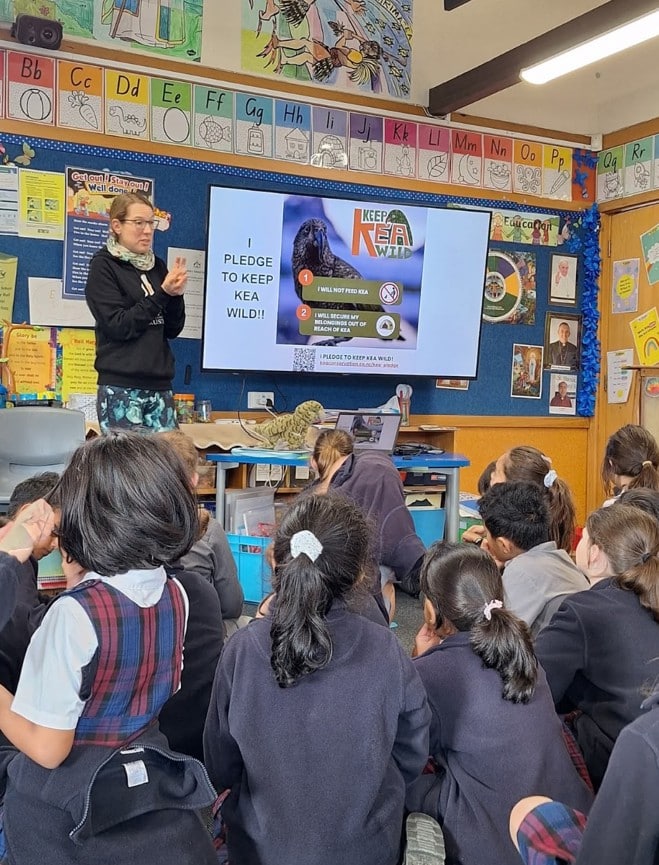
June: June has been a fantastic month for kea advocacy, with the Kea Summit, the launch of the Kea Pledge, and several brilliant school visits to Kaikōura and St Patrick’s on the West Coast. A total of four schools were visited with 213 students engaged during this time.
"The schools I visited this month were fantastic and showed a strong desire to help see more kea return to the Kaikōura region. Students were surprised and excited to learn about recent sightings in the Puhi Puhi Valley and on Mt Fyffe. As is often the case, many overestimated the population size, so sharing the reality of their conservation status was valuable and had an impact.
Kaikōura Suburban School had a kaitiaki display, and several students had already chosen kea in anticipation of the visit. Hāpuku School had prepared a list of ten excellent questions, just in case I didn’t cover them, including whether kea are used in scientific testing and whether there is a breeding programme to help them. These thoughtful questions aligned beautifully with the session. St. Patrick’s School went on to do some writing activities about kea and were excited to launch a research project after the visit.
All tamariki were eager to make “pinky promises” to help kea by not feeding them and keeping them wild - essentially the Kea Pledge, which I shared with them afterwards along with the advocacy toolkit. I hadn’t yet built the pledge into the programme for the Kaikōura schools, as it had only launched the day before at the Summit, but integrated for the St. Patrick’s visit.
Although not education in a school based way, I also gave a talk at the local library alongside the Hoki Hikers. The Westland District Library then made a lovely display and are going to make a ‘kea for kids’ corner and read the story of Wānanga at one of their children’s sessions."
Term 3:
Launch of the secondary school programme in Te Anau followed by roadshow visits to primary schools in Te Anau (and possibly Queenstown).
2025 Roadshow Outcomes
The year kicked off with Helen presenting at the Arthur's Pass Summer Programme on the 4th January to 33 people. It was also a great opportunity for author, Kris Herbert to read her newly published ‘Saving Wānaga, a true story of a kea that was poisoned by lead and after treatment, returned to his home in Arthur’s Pass.
Our new Kea for Kids educator, Rachel Taylor, then took over our annual Roadshow in term 3. She talks about the outcomes of these visits below.
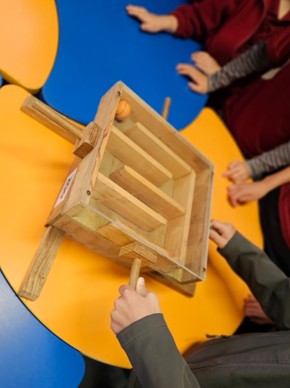
September: Five schools over seven sessions were visited during September on the West Coast. A total of 246 students took part from Karamea Area, Mariua, Granity, Kaniere and Kokatahi-Kowhitrangi Schools. A few new resources were added to the prgramme including a lifecycle station and features area to explore kea ages and development, kea band profiles for students to match and learn about individual birds and pest print ink cards to identify tracks and discuss monitoring techniques of predators in kea habitat. These hands-on activities have been excellent conversation starters and have strengthened the learning outcomes of the sessions.
October: Three schools were visited this month over 5 sessions. These included Cobden School on the West Coast, Lake Brunner and Kumara schools. A total of 13 adults and 141 students (ranging from year 0 to year 8) were involved. These sessions were particularly valuable because, once again, students at these schools frequently encounter kea or have them visit their properties. The students at the last two schools posed the most insightful questions and discussions of all the schools so far, showing a strong eagerness to learn. Some students inquired about safe trapping methods, concerned that clever kea might access the traps; one asked about protecting their tunnel houses, making their property safe, or whether to use a hose; another asked how to check for lead.
November: Four schools were visited in November over 8 sessions. These included Hokitika Primary School, Makarora School, Tarras School and Holy Family Catholic Primary School in Wanaka. A total of 180 students (year 0-8) and 14 adults participated in the Kea for Kids programme.
Students at both Hokitika Primary School and Makarora School regularly see kea in the valleys and were especially keen to learn about their role as kaitiaki, given the kea’s taonga status. Each student at Makarora School welcomed me with waiata and their mihimihi, while the Māori immersion class at Hokitika Primary offered a mihi whakautu at the end of the session. These gestures were beautiful and reflected their commitment to Te Tiriti, Te Ao Māori, and the natural world.
Tarras School students were wonderfully engaged and eager to learn about kea. Many had encountered them while out recreationally - particularly on the ski fields and while tahr hunting with their whānau. One student even created a papier-mâché kea for pet day later that week!
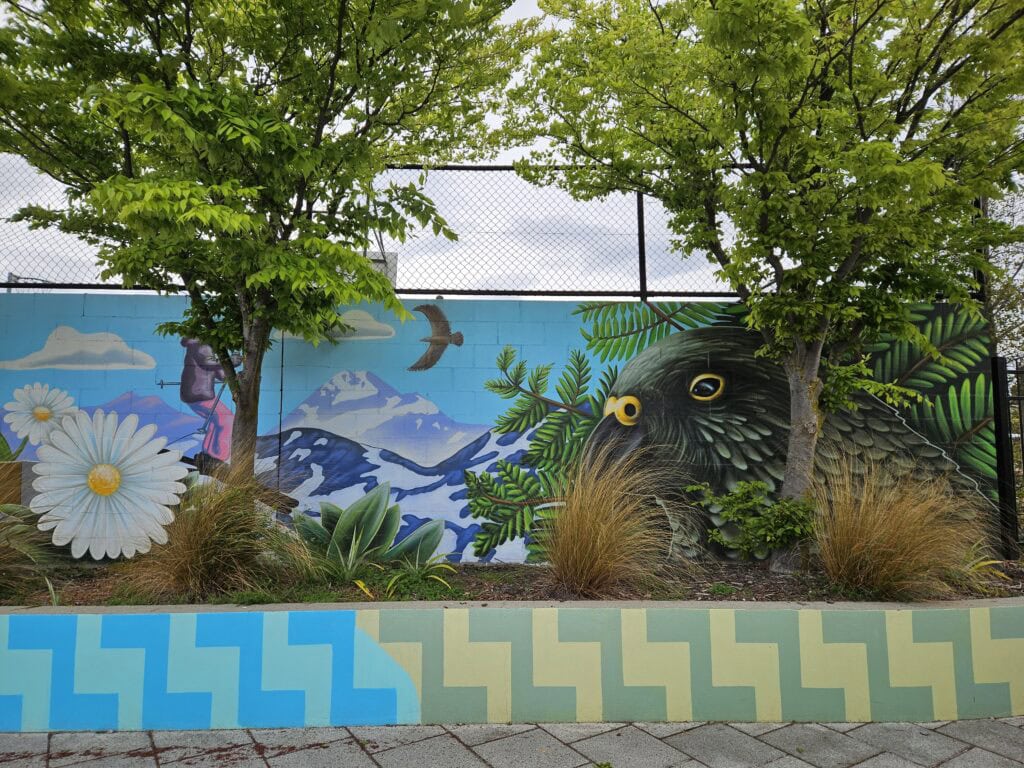
The enthusiasm from Holy Family School was outstanding. Students even stayed with me over lunchtime to search birds on the kea database and see where they had been sighted. Their school also features a kea mural by Shane Walker, which the students were proud to explain (after learning in the session!) depicted a juvenile kea, identified by the colour of the nostrils and eyes. I thoroughly enjoyed the sessions there and felt a strong sense of passion and value.
One of the recurring themes in recent sessions has been students’ shock at the size of the kea population, and their surprise about the issue of lead. Students are eager to care for kea and often ask brilliant questions, such as wanting reassurance that there are kea-safe traps when discussing predator control. These conversations show just how inspiring this remarkable species is for our young people in Aotearoa and how great our young people are in wanting to protect them.
Teacher review:
"Kea Conservation recently visited our school, and what an absolute treat it was! Rachel brought the cheekiest wee birds of Aotearoa to life with stories, photos, and fascinating facts that had our students completely hooked. The session was lively, engaging, and packed with information that was super easy for our kids to understand and get excited about.
Rachel had a brilliant way of connecting with the children — lots of laughs, lots of learning, and plenty of “wow!” moments. Our students walked away buzzing with new knowledge about kea and talking about all the different ways we can help protect and care for these clever alpine characters.
We are so grateful for the energy, passion, and fun Kea Conservation brought to our school. We would highly recommend this learning session to any school or group seeking an educational visit that is both inspiring and interactive."
Kathy Pittaway, Mt Alta Year 3/4 Teacher
Holy Family Catholic School Wānaka
December:
A total of 2 schools were visited in December in Westport - St Canice’s Catholic School, and Westport North School. Eight sessions were conducted with 209 students (ranging from year 0 to year 8) and 12 adults.
to have school visits and I was able to schedule eight sessions across two days for these two schools.
At St Canice’s, I combined two classes for an extended session, and they were delightful. The students were engaged and receptive, and both staff and students expressed interest in reconnecting next year for more kea learning. They also suggested running a fundraiser for the Kea Conservation Trust, potentially through a mufti day, as they feel the education programme and the wider conservation work is amazing. This was incredibly heartening.
Students at Westport North School were probably the least familiar with kea, so it was especially valuable to spend time with them and give them the opportunity to connect with kea and te taiao. This included senior primary classes and classes of Year 0–2, and years 3-4 students. The students enjoyed connecting and learning, particularly through the videos and interactive elements. A parent of one of the students approached me at lunchtime and said their child had really enjoyed the session and had told them all about kea. This was especially pleasing, as I had challenged the students to teach someone else something about kea and to make a goal about what they could do to help.
Teacher feedback:
"100% this would be great EVERY year for a set age group"
"We will use the tracking system (database) Map in class, locations around us where kea are."
"Please keep visiting! It's so wonderful to meet specialists in their fields".
2024 Roadshow Outcomes
August - Timaru
This years roadshow resumed in August 2024 with a presentation to Mountain View kea scouts at the Eco Centre followed by a visit to Gleniti Primary School students. A total of 108 students and 24 adults enjoyed getting hands on with the kea programme and were introduced to 'Flap', Helens travel companion. Flap the kea puppet, who was banded in Te Anau by DOC personnel and named by Te Anau school kids, has been added to the Kea sightings website. To follow Flaps travels, visit him at his personal page via this link 🙂
October - Hanmer Springs
A full day saw the whole school of 88 students and 8 teachers at Hanmer Springs Primary, interact with the programme with great feedback. The addition of a kea rubber stamp used on childrens hands as they leave continues to be a real hit!
The librarian and local trapping/conservation person Tori, set up a display in the library with the posters, kea sighting information and the ‘Saving Wananga’ book.
2023 Roadshow Outcomes
The Roadshow resumed in March 2023 and will continue throughout the year.
March - Greymouth
Seven presentations were delivered to St Patricks School, reaching 165 students and 8 teachers.
- "Hands on video clips were great!"
- "I loved the cool things the kids could look at, especially the poo! This was brilliant, thank you so much!"
May - Te Anau and Whakatipu
Five schools were visited over seven days with 23 class presentations to 551 students and 30 adults, a total of 581 participants.
Three short relevant video clips used in the presentations were sent prior to the visits including a range of activity sheets to support the program. Class numbers ranged from 17 to 33 including new entrants to year 8 students.
- "Helen has an excellent presence in the class. Excellent knowledge/facts. Loved all the resources to see/touch."
- "Kinesthetic learning - sight, sound, touch. Stories/video/pictures/poo etc."
- " All activities were engaging and educational. The session was very well managed. Thank you for sharing this experience with our ākonga."
2022 Roadshow outcomes
The KCT "Kids for Kea" roadshow was launched in September 2022.
September - Te Wai Pounamu
Seven interactive sessions were given at six primary schools, from Ross to Haast, over three days.
158 students participated in the program, with 21 adults in attendance.
Over 90 percent of the children had seen a kea before and were very keen to learn more about our taonga.
Learning objectives included Environment, Natural World, Kaitiaki, Science, Investigating, Interacting, Questioning.
Feedback forms were given to teachers at the beginning of each session and gathered from the teachers at the end - here's what they said...
- "Helen was very interactive and kept the tamariki engaged."
- "Helen's interaction with the tamariki - awesome! All tamariki and adults hooked.
- "The different types of poo were a hit!"
- "The kids were 100% interested the whole time!"
- " Super interactive and engaging. Well resourced."
October - Mt Somers School
Four roadshow presentations were delivered to 77 students with 4 adults in attendance.
Over 90 percent of the children had seen a kea before, have regular school ski trips to Mt Hutt and were very keen to learn more about our taonga.
The addition of two kea enrichment puzzles loaned from Auckland zoo, were a great hit!
- "Super relevant to our students as "kea are in our back yard". Hands on delivered in a clear concise, interesting way. Interactive/interesting/relevant. Excellent presentation, best Ive seen!"
- "Couldnt have asked for a better teacher than Helen. Thanks!"
November - McKenzie Country
Eight roadshow presentations were delivered to three schools (Carew Peel Forest School, Lake Tekapo School and Twizel Area School) during a three day road trip. A total of 170 students and 16 teachers were engaged.
- "Would like more of the same. Keep the visits happening. Good to build on this with more visits, not just one off."
- "Would like more of the same. Keep the visits happening. Good to build on this with more visits, not just one off."